




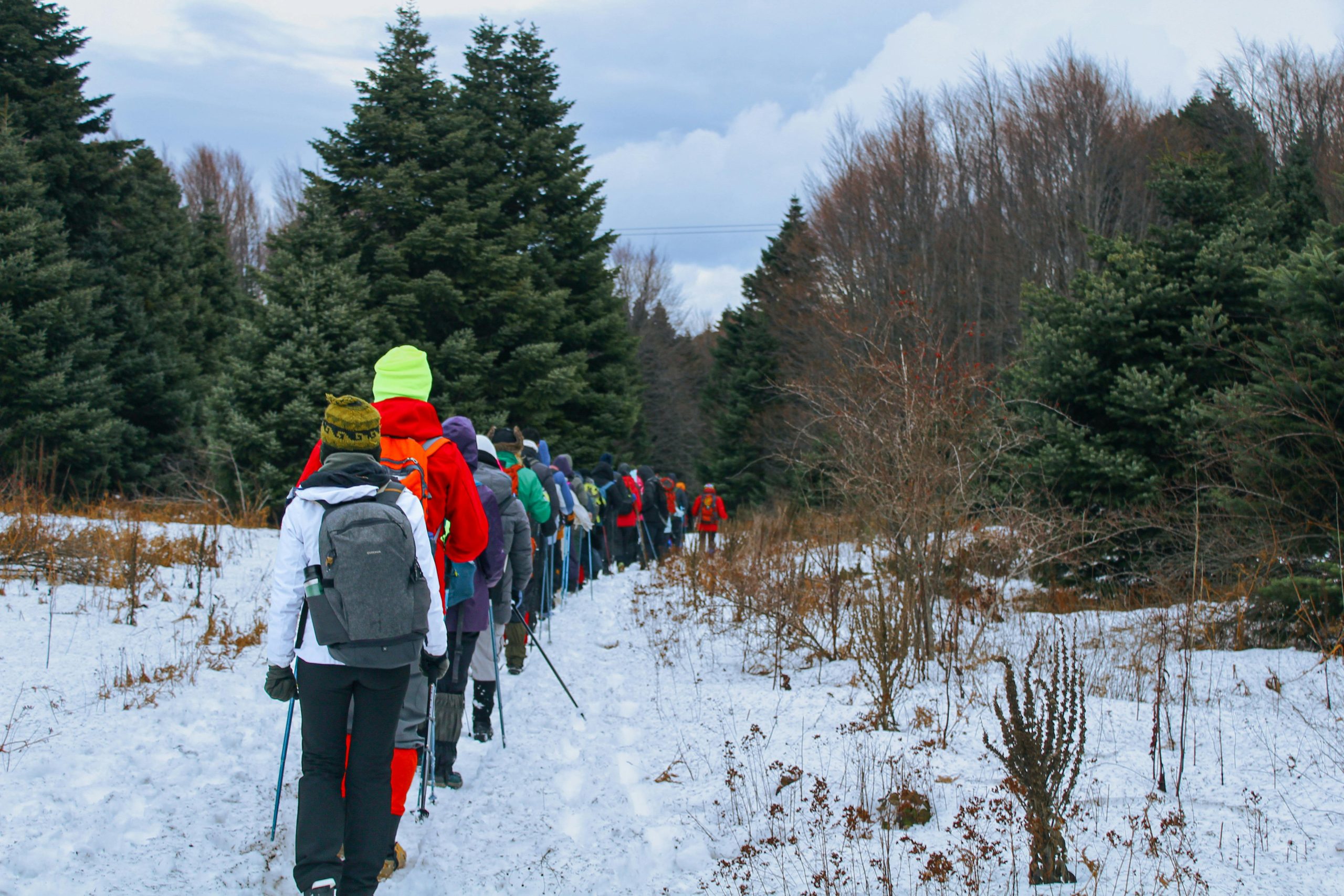
Hiking offers incredible benefits for both physical fitness and mental well-being, connecting you with nature while building endurance and confidence. According to the Outdoor Industry Association, hiking participation increased by 28% in 2024, with over 57 million Americans hitting the trails regularly. But here’s the challenge: are you prepared for what awaits beyond that first scenic overlook? Whether you’re planning your inaugural adventure or seeking to refine your technique, the right guidance transforms uncertainty into excitement. Ready to learn valuable hiking tips for beginners that ensure every step counts?
Choosing the Right Gear for Your Trail Adventures
The right equipment can transform your hiking experience from challenging to enjoyable. Quality gear not only enhances comfort but ensures your safety on the trail, especially when weather conditions change unexpectedly.
Additional reading : What specific workouts strengthen the core for diving athletes?
Here’s your essential gear checklist for different hiking scenarios:
- Hiking boots: Choose sturdy, ankle-supporting boots for rocky terrain, or lightweight trail shoes for well-maintained paths. Waterproof options are crucial for wet conditions.
- Technical backpack: Select a 20-30L daypack with padded straps and multiple compartments. For multi-day trips, consider 40-60L packs with proper weight distribution systems.
- Weather-appropriate clothing: Layer moisture-wicking base layers, insulating mid-layers, and waterproof outer shells. Avoid cotton materials that retain moisture.
- Safety essentials: Pack a first aid kit, headlamp with extra batteries, whistle, and navigation tools like GPS or detailed trail maps.
- Weather-specific additions: Microspikes for icy conditions, sun hat and sunscreen for desert hikes, or rain gear for unpredictable mountain weather.
Our specialized gear recommendations are tailored to specific trail conditions, helping you make informed choices based on terrain difficulty and seasonal challenges.
Also to discover : What is the impact of altitude on a biathlete’s performance?
Planning Your Route: Where Safety Meets Adventure
Proper route planning transforms a potentially risky adventure into a memorable experience. Before you lace up your boots, invest time in researching your chosen trail. Study topographic maps, elevation profiles, and recent trail reports to understand what lies ahead.
Weather conditions can make or break your hiking experience. Check forecasts not just for the trailhead, but for higher elevations where conditions often differ dramatically. Mountain weather changes rapidly, and what starts as a sunny morning can quickly turn treacherous.
Evaluate the trail’s difficulty honestly against your current fitness level and experience. Consider factors like distance, elevation gain, terrain type, and estimated completion time. Add extra hours to published estimates, especially as a beginner.
Never underestimate the importance of communication planning. Share your detailed itinerary with trusted contacts, including your planned route, departure time, and expected return. This simple step could be lifesaving if something goes wrong.
Consider downloading offline trail maps to your phone as backup navigation. Technology fails, but having multiple navigation methods ensures you stay on track even when conditions become challenging.
Staying Safe and Prepared on the Trail
Trail safety begins before you even lace up your boots. The three fundamentals every hiker must master are planning your route, sharing your itinerary with someone reliable, and checking weather conditions thoroughly. These simple steps prevent most hiking emergencies before they start.
Navigation skills become your lifeline when trails aren’t clearly marked. Always carry a physical map and compass as backup to GPS devices, which can fail when you need them most. Learn to identify landmarks and practice basic orienteering techniques in familiar areas before venturing into unknown territory.
Proper hydration and nutrition fuel safe adventures. Drink water regularly throughout your hike, not just when you feel thirsty. Pack high-energy snacks that won’t spoil and provide sustained energy. Your body needs consistent fuel to maintain focus and decision-making abilities on challenging terrain.
Solo hikers face unique risks that require extra preparation. Stay on marked trails, inform others of your exact route and return time, and consider carrying a personal locator beacon for remote areas. Winter conditions amplify every risk, demanding specialized gear, layered clothing systems, and knowledge of hypothermia prevention. When emergencies occur, stay calm, assess your situation carefully, and prioritize shelter and signaling for help over attempting self-rescue in dangerous conditions.
Building Your Hiking Skills Progressively
Developing strong hiking skills requires a methodical approach that respects your current fitness level and gradually expands your capabilities. Starting with well-marked beginner trails allows you to focus on fundamental techniques without the pressure of challenging terrain or navigation concerns.
Your endurance development should follow a steady progression pattern. Begin with shorter distances on relatively flat terrain, then gradually introduce elevation changes and longer distances. Most new hikers benefit from increasing their trail distance by no more than 10-20% each week, allowing their bodies to adapt without risking injury or burnout.
Mastering terrain-specific techniques becomes crucial as you advance to more challenging trails. Rocky surfaces require deliberate foot placement and a slightly wider stance for stability. Steep ascents call for shorter steps and rhythmic breathing, while descents demand controlled movements and proper use of trekking poles when available.
The comprehensive approach to skill building includes developing both physical endurance and technical knowledge simultaneously. Understanding weather patterns, reading topographic maps, and recognizing your personal limits are just as important as building leg strength and cardiovascular fitness for long-term hiking success.
Common Mistakes to Avoid on Your Hiking Journey
Every hiker, regardless of experience level, has made mistakes on the trail. The difference lies in learning from these errors before they become dangerous situations. Poor planning remains the most frequent culprit behind hiking mishaps, often leading to exhaustion, injury, or worse.
Underestimating trail difficulty catches many hikers off guard. What appears as a simple 5-mile trek on paper can become a grueling 8-hour ordeal when you factor in elevation gain, weather conditions, and terrain challenges. Research trail reports and elevation profiles thoroughly before setting out, and always add extra time to your estimated hiking duration.
Inadequate physical preparation becomes painfully obvious within the first hour of a challenging hike. Your cardiovascular system and leg muscles need gradual conditioning to handle sustained effort on uneven terrain. Start with shorter trails and gradually increase distance and difficulty over several weeks or months.
Equipment failures often stem from gear neglect rather than gear failure. Worn-out boot soles, empty water bottles, and dead flashlight batteries can transform an enjoyable day hike into a survival situation. Test all equipment before each trip and replace items showing signs of wear.
Your Most Asked Hiking Questions Answered
New hikers often have similar concerns about gear, safety, and preparation. These answers address the most common questions we receive from the hiking community.
What should I pack for my first hiking trip?
Pack water, snacks, first aid kit, map, flashlight, and weather-appropriate clothing. Include sun protection and emergency whistle. Start with day hike essentials before advancing to overnight gear.
How do I choose the right hiking boots for beginners?
Visit a specialty store for proper fitting. Choose boots with ankle support, waterproof materials, and good tread. Break them in gradually before your first serious hike.
What are the most important safety rules when hiking alone?
Tell someone your route and return time. Carry emergency communication device. Stay on marked trails, check weather conditions, and trust your instincts about turning back when needed.
How much water should I bring on a day hike?
Plan for one liter per two hours of moderate hiking. Increase for hot weather, high altitude, or strenuous terrain. Always bring more than you think you’ll need.
What should I do if I get lost on a hiking trail?
Stop immediately and stay calm. Use your map and compass to reorient. If still lost, stay put, signal for help, and conserve energy while waiting for rescue.
Where can I find comprehensive hiking guides and safety resources?
Our platform offers detailed guides covering everything from beginner techniques to advanced winter hiking strategies, plus specialized gear reviews for different hiking conditions and terrains.